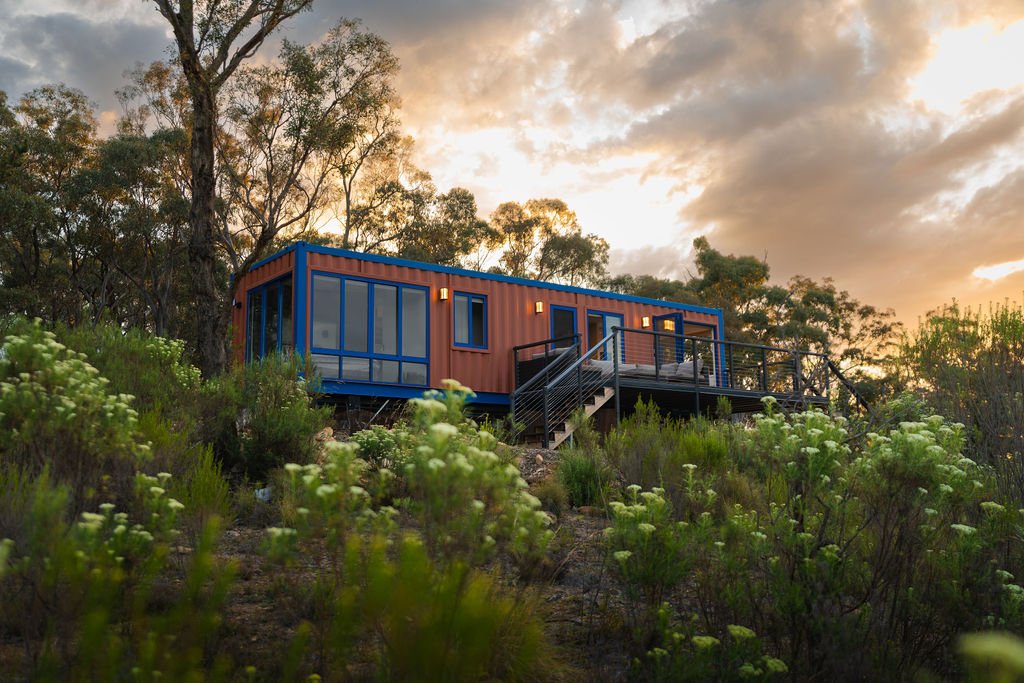
Affordability Without Compromise
Meet Adapt Homes’ Three Most Budget-Friendly Models
At Adapt Homes, affordability doesn’t mean settling for less. It means getting the freedom to choose a home that’s smart, adaptable and beautifully efficient without stretching your budget.
If you're looking for an accessible entry point into modular living, our three most affordable models – the Bilby, Banksia, and Acacia – offer thoughtful design, energy-smart construction and the signature Adapt Homes flexibility our clients love.
Let’s explore what makes each of these homes great value.
1. The Bilby – Smart, Stylish Studio Living
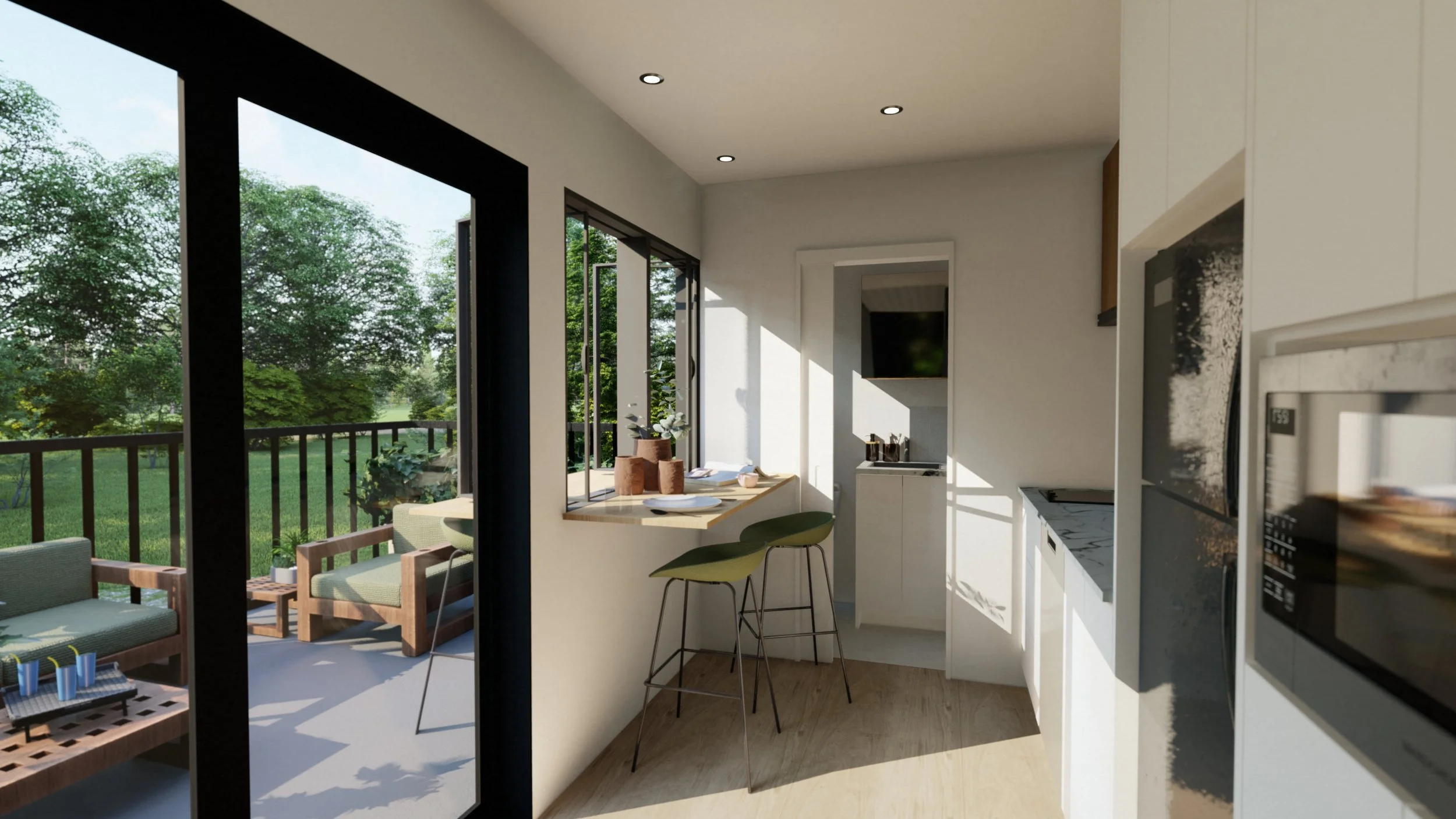
Compact, clever and beautifully efficient, the Bilby is our most affordable model and the perfect solution for those who want simple, low-maintenance living.
It’s not just a studio – it’s smart design done right.
Key features include:
Open-plan studio layout with a natural, spacious flow
Integrated kitchenette and living zone, designed for functionality
Space-efficient bathroom with quality finishes
Ideal for secondary dwellings, downsizing or minimalist living
Tiny ecological footprint, with low running costs and fast installation
The Bilby proves that a studio can feel inviting, calm and perfectly equipped for modern life.
2. The Banksia – A Comfortable One-Bedroom Classic
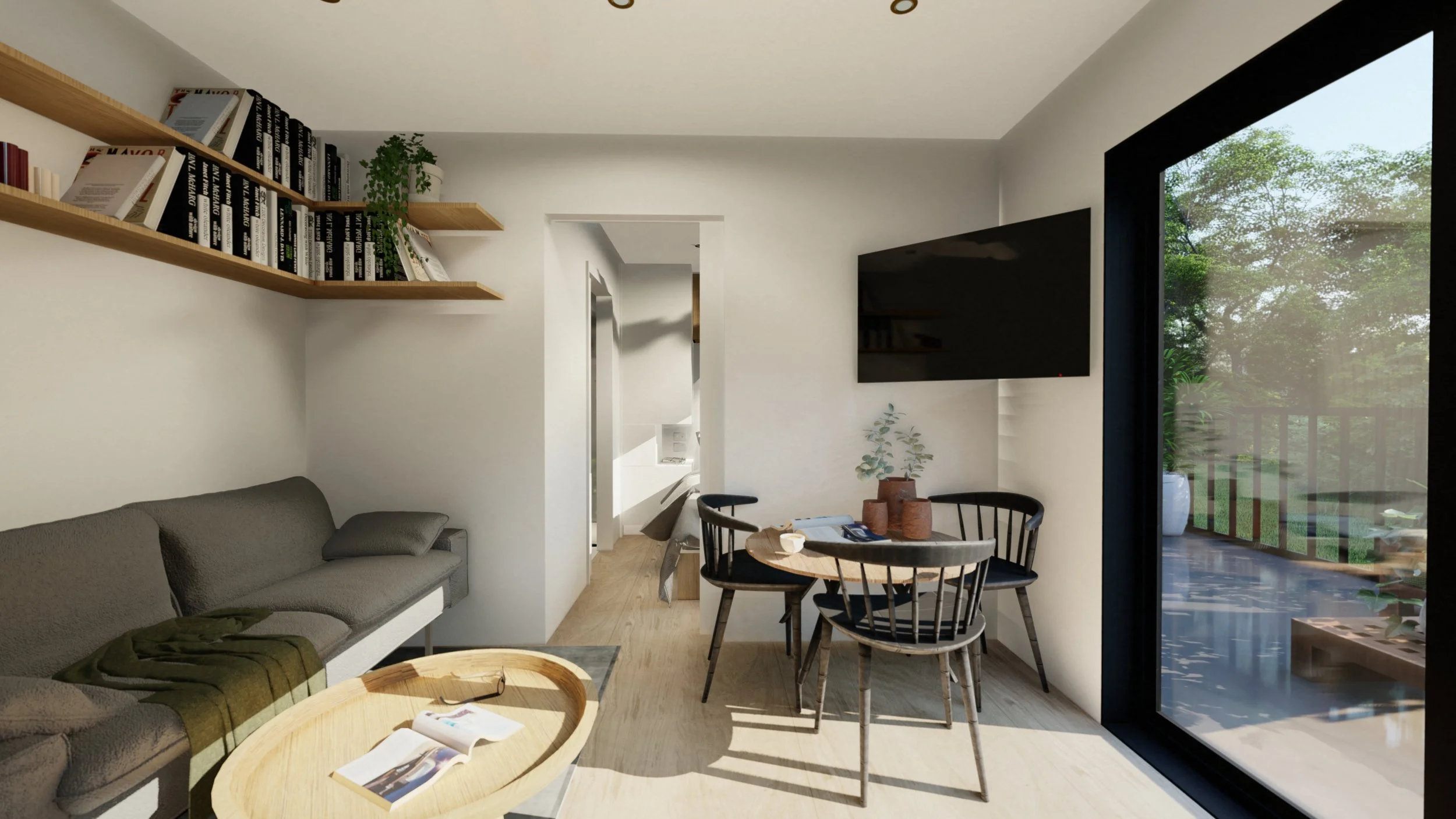
The Banksia steps things up with a separate bedroom while remaining one of our most cost-effective designs. It’s a great fit for singles, couples or anyone wanting a little extra privacy without moving into a larger footprint.
Key features include:
One-bedroom layout with separation from the main living area
Open-plan kitchen, dining and lounge, ideal for everyday living
Compact yet highly functional floor plan that uses every metre well
Modern ensuite bathroom, including walk-in shower
Energy-efficient insulation and materials for long-term savings
The Banksia strikes a beautiful balance between simplicity and comfort – perfect for those who want affordability with room to breathe.
3. The Acacia – Spacious, Affordable One-Bedroom Living
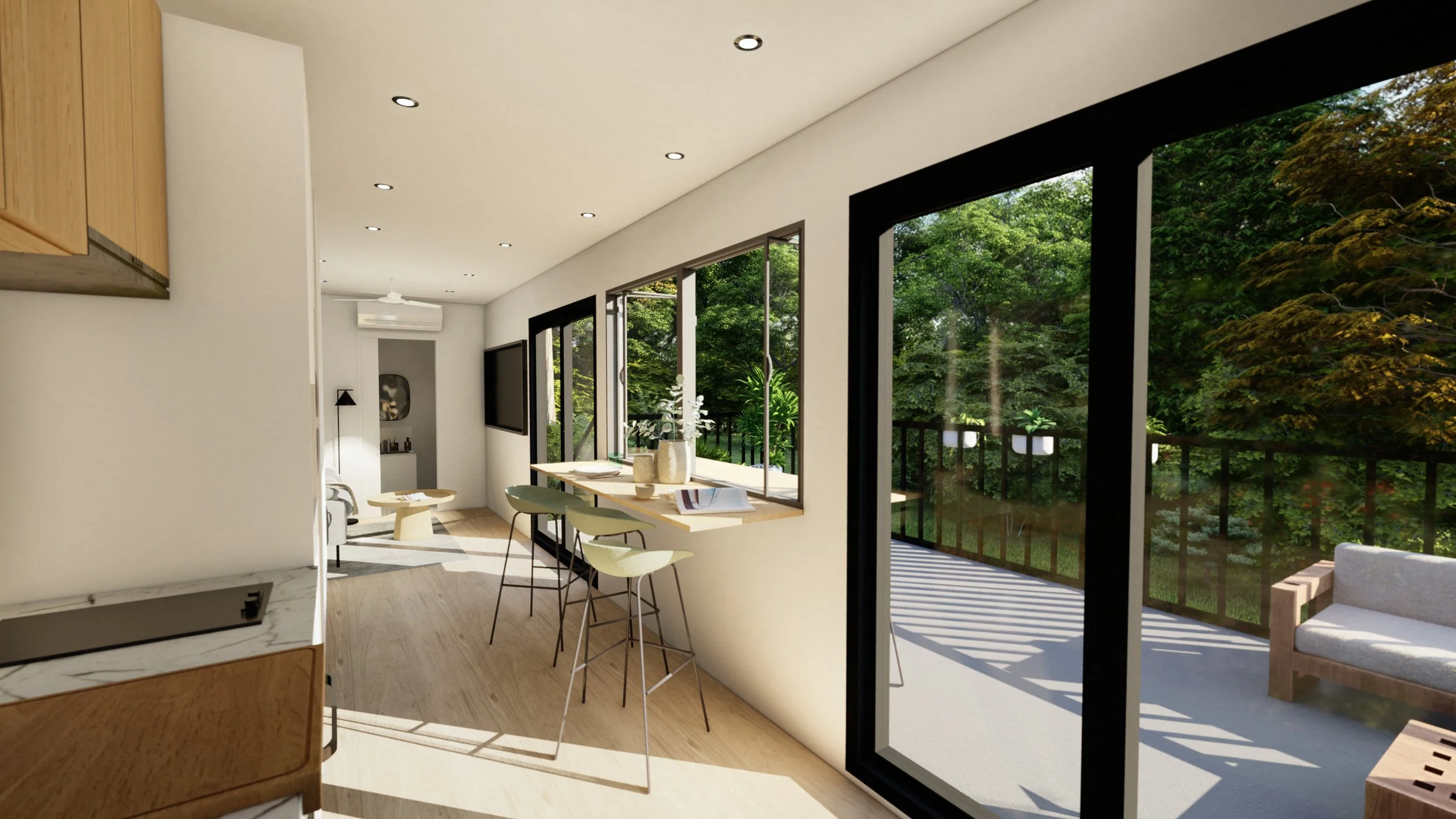
If you’re looking for a bit more space while staying within entry-level pricing, the Acacia is your ideal choice. It offers a larger one-bedroom configuration, giving you greater flexibility for furniture, storage and entertaining.
Key features include:
Generous one-bedroom layout, providing extra comfort and versatility
Large open-plan living zone, great for hosting friends or creating multi-use spaces
Enhanced kitchen and storage options
Modern, light-filled design that feels airy and expansive
Exceptional value, offering more space without moving into a higher price bracket
The Acacia is perfect for those who want affordability and the comfort of a more substantial living space.
Affordable Doesn’t Mean Ordinary
Whether you choose the streamlined studio design of the Bilby, the comfortable one-bedroom layout of the Banksia, or the more spacious feel of the Acacia, you’re choosing:
A home built with care
Energy-conscious design
Flexible customisation options
Timeless aesthetics
A budgeting-friendly entry into modular living
At Adapt Homes, we believe everyone deserves a thoughtfully designed space that feels good to live in – and our most affordable models are a testament to that.
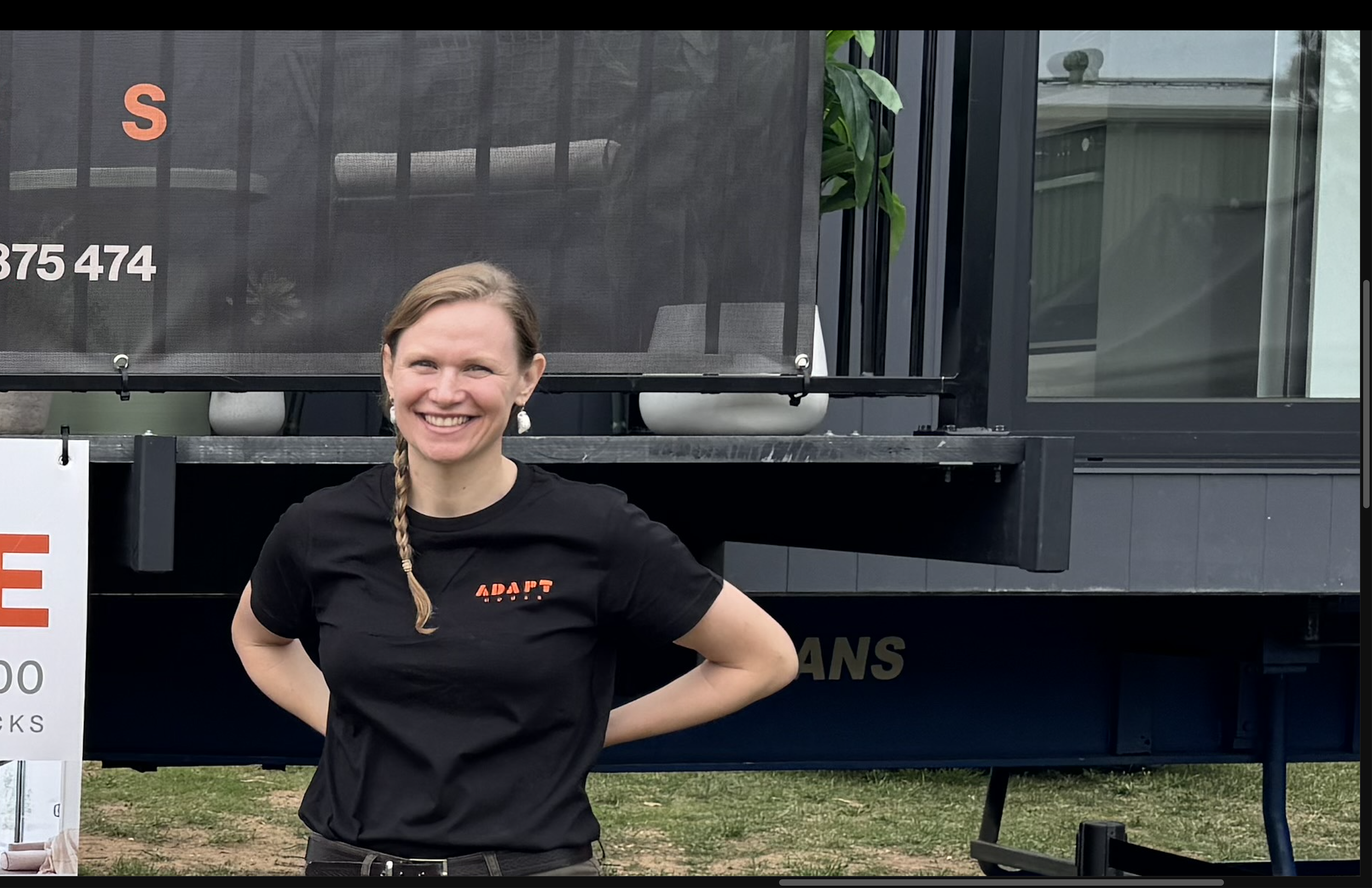
Meet the Team – Amy
While Geoff McGinley's original vision is well known, the success of Adapt Homes is also due to a dedicated team who share his aspirations to provide suitable and affordable homes for Australians.
Amy Ehs, our Client Liaison & Projects Manager, has been instrumental since the company's early days. Her level-headed approach, strong problem-solving skills and pleasant disposition make her an indispensable asset to the team.
There’s no doubt that her active listening and genuine, caring approach are a testament to the fact that she truly loves helping people find their dream home – one that will really be suited to their particular needs and reality.
Recently, the Adapt Homes Comms team sat down with Amy to find out more about her and what makes her tick.
AHC: Can you tell us a little bit about your background?
AE: I grew up with a deep appreciation for thoughtful design and community, and after working across several cities and careers in health, online businesses and community development I crossed paths with Geoff. We share many values and ideas for the housing sector, and I’m thrilled to now be a part of the team.
AHC: How did you first hear about Adapt Homes, and what made you decide to join the team?
AE: I first heard about Adapt Homes after seeing Geoff creating his own personal “not-so-tiny home” to solve something that didn’t yet exist. Struck by the "speed-to-market" philosophy, with a real home connected to a semi-trailer sparked my curiosity.
After working with the team on a few projects, I saw a rare opportunity to be part of a disruption – moving away from the "bigger is better" mindset toward "smarter is better." The commitment to energy efficiency, function and great design with flexibility to support a solution in a housing crisis was a mission I gravitated towards.
AHC: Which Adapt model is your personal fave, and why?
AE: Tricky, although if I had to choose one, I’d say the Kookaburra 4m design. I think it hits the "sweet spot" of our range – stretching the definition of a tiny house with an extra-wide bathroom that is an inclusive design for different needs and abilities.
I love the way the floor plan maximises natural light – it’s a great example of how clever design can make a smaller footprint feel incredibly functional, especially when finished with our signature stone benchtops and premium fixtures. It’s the model that most often makes people say, "I could actually live here."
AHC: What do you enjoy most about your role at Adapt?
AE: The most rewarding part of my role is witnessing the "lightbulb moment" when someone realises that a high-quality home doesn't have to take years to build or a huge mortgage.
I love navigating the journey with different people coming from various beliefs and experiences in life. From the initial excitement of understanding the space they want to live in, to developing a model into their home and handing over the keys. There is a unique satisfaction in proving that speed, quality, and sustainability can go hand-in-hand.
AHC: When you’re not participating in Tiny House industry events or showing people through the Display House, what do you look forward to doing with your spare time?
AE: When I’m not talking about people's dreams and the future of housing, I like to go into nature to recharge – I’m an avid fan of the outdoors. There’s something about the Australian landscape that mirrors the durability and simple elegance we strive for in our builds.
I enjoy exploring local farmers' markets or spending time in the garden. I also enjoy learning and reading and am currently studying sustainable living which includes courses such as Sustainable Housing and Living with Fire. For me, it’s all about finding that balance between work and the restorative power of the outdoors and community.